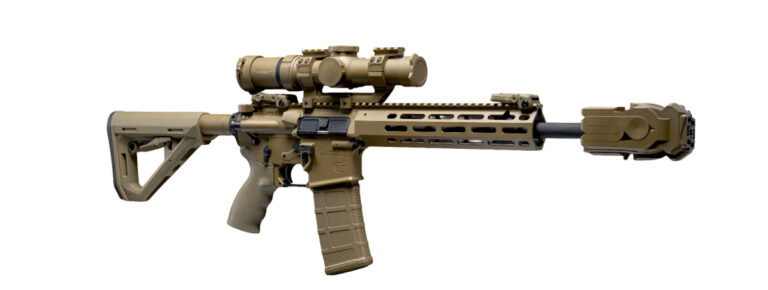
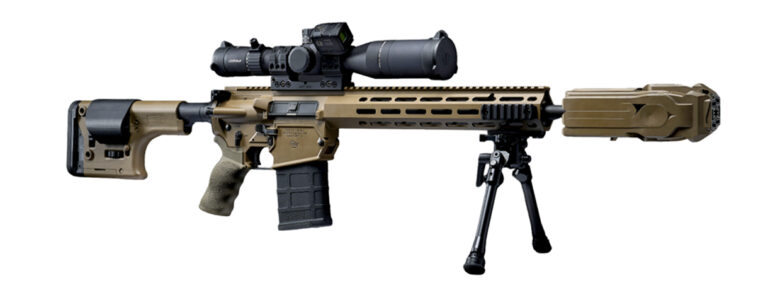
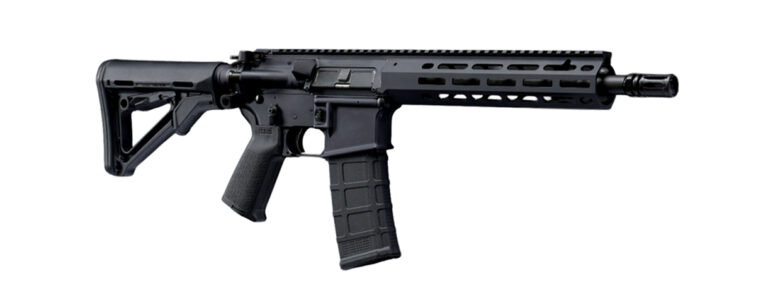
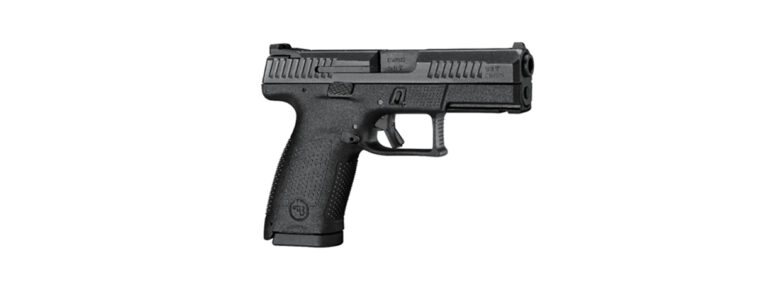
The battlefield does not stand still, and neither does the kit built for it. Body armour, longer engagement distances and evolving battlefield conditions are placing new demands on the individual soldier Ahead of C25’s UK and European debut, we sat down with Dave Parsons, Director of Product Development at Colt Canada, to talk about what is changing for the soldier on the ground, and why C25 answers that change with accuracy rather than a bigger round.
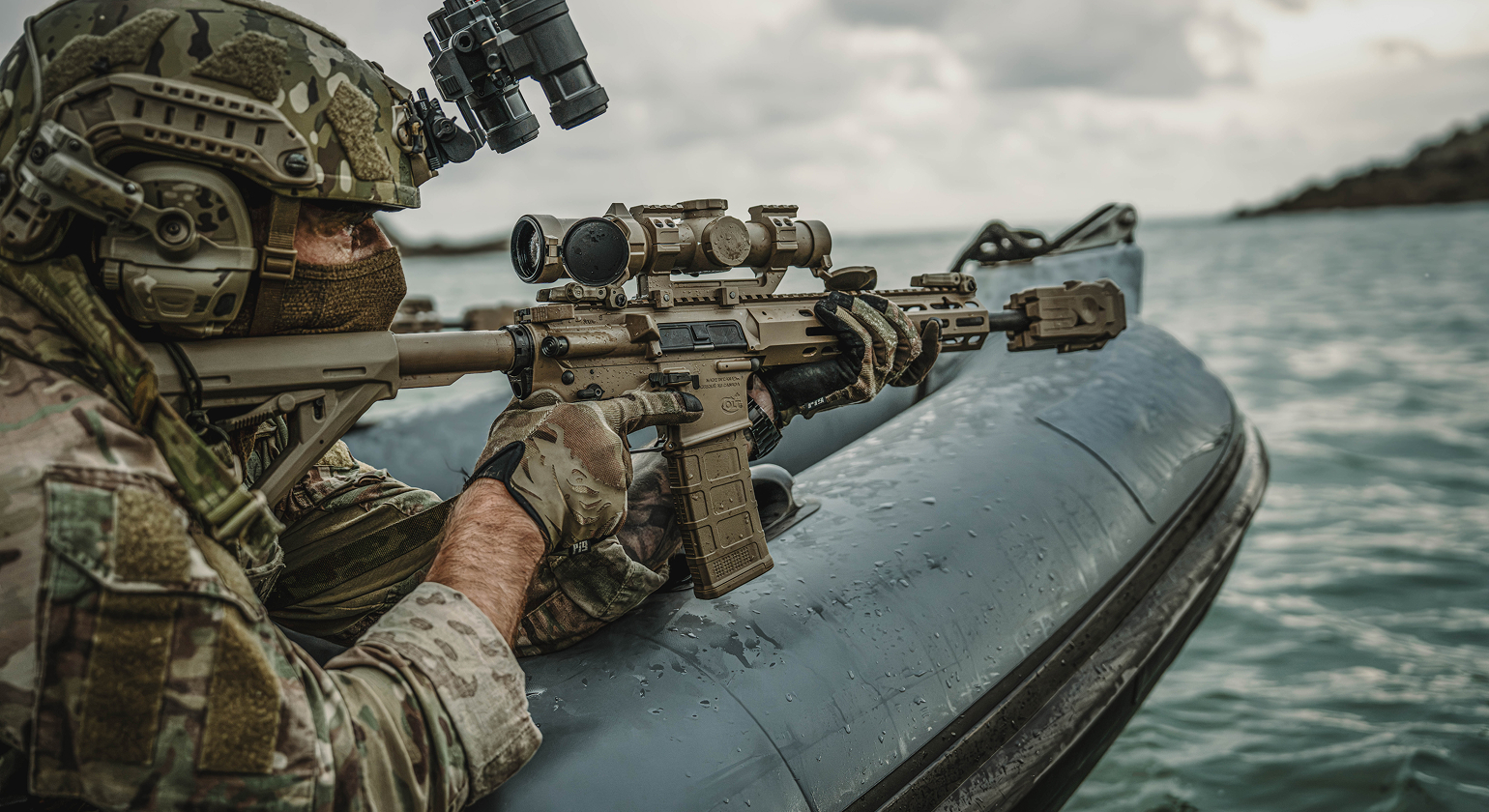
Q: Let’s start with the problem. What’s actually changing out there for the infantry soldier?
The honest answer is that armour is moving faster than ammunition. Level IV body armour is becoming far more common among the forces our customers face, and the 5.56 cartridge that has served so well for so long can no longer be relied upon alone to defeat it consistently. There’s no settled view yet across the industry on what the next intermediate calibre looks like, or when it arrives. So the question we asked ourselves wasn’t “how do we chase a bigger round.” It was: what can we do right now, with what we know works, to close that gap for the soldier in front of us today.
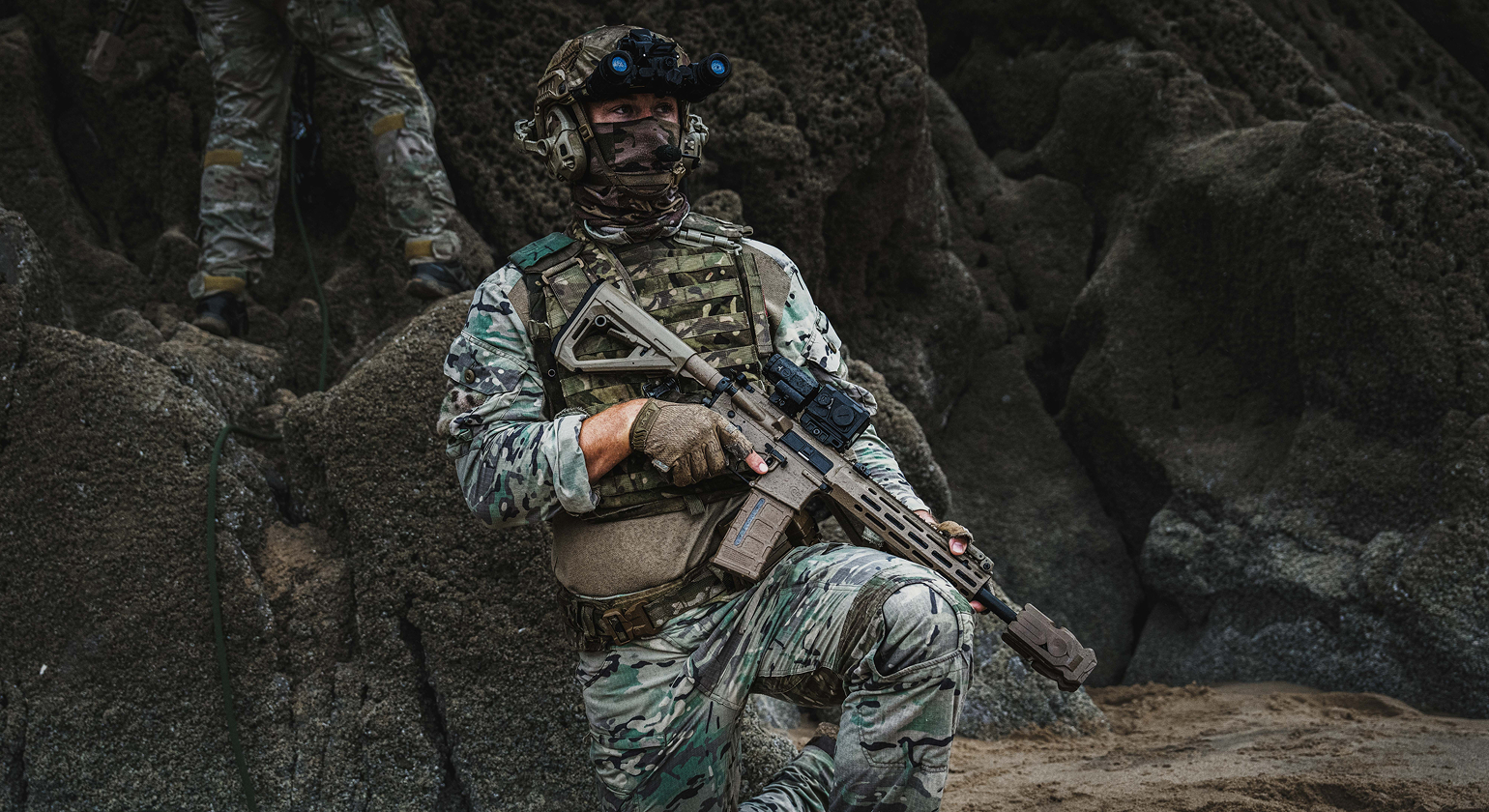
Q: And the answer was accuracy, not calibre?
Exactly. If armour is forcing the fight onto smaller, harder targets – the face, the shoulders, the hips, the groin – then the answer isn’t necessarily a bigger hammer. It’s making the soldier dramatically more accurate against those targets, under the fatigue, stress and sleep deprivation that come with sustained operations. That’s a human-factors problem as much as it’s a ballistics one. C25 is built from a defined Concept of Employment, not a sales brief. Make shooting easier. Make target acquisition faster. Make the first round land where it needs to. Make the follow-up shot controllable. Everything on the rifle earns its place against that list. This rationale is being led by the Canadian Armed Forces, and it’s based around real life requirements.
Q: Colt Canada talks about products being “shaped through service.” What does that actually mean in the C25 programme?
It means we don’t start with a rifle and ask the end user to adapt to it. We start by listening – properly listening, which is different from hearing. The C7 and C8 platforms have accumulated many design and engineering changes since they first entered service, every one of them driven by what operators told us, or what showed up under the extremes: Arctic cold, arid heat, sand, salt, driving rain. The environment doesn’t yield to us. We adapt to it. C25 carries that same discipline forward. It’s the next evolution of a lineage that’s been tested, refined and proven in service, not a clean-sheet design built in a vacuum.
Q: Walk us through what’s actually different about C25.
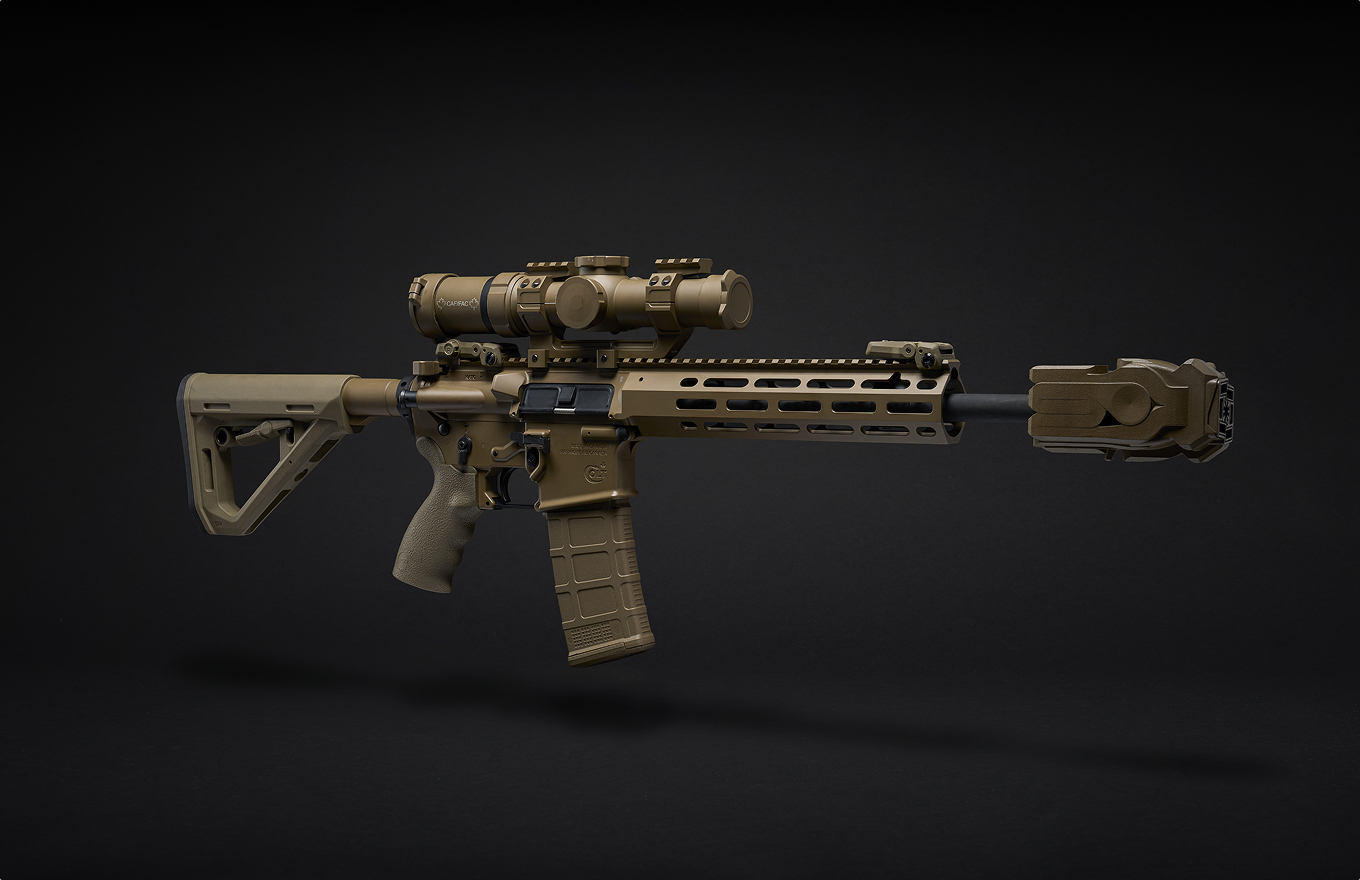
C25 was developed under the Canadian Modular Assault Rifle, or CMAR, project. There are four changes over the C7/C8 baseline, and every one of them is in service of the same outcome: accuracy under realistic conditions, not accuracy on a square range.
- Greater consistency under stress – a two-stage trigger provides a more sensitive, positive break.
- Improved accuracy across the effective range – optimised barrel geometry reduces disturbance to the projectile, supporting higher practical accuracy.
- Reduced signature and recoil – controlled gas redirection at the muzzle decreases sound pressure at the firing position, suppresses flash, and reduces felt recoil.
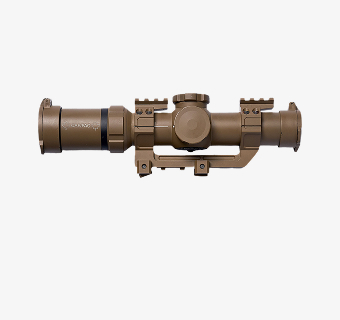
- Faster target acquisition at distance – a low-power variable Colt optic extends the engagement window and reduces exposure time.
Together, these changes are engineered around a single outcome: accuracy under realistic operational conditions. It is a rifle shaped through service, with soldier needs at the heart.
Q: Trust comes up a lot in how Colt Canada talks about its products. Why does that word matter here?
Because a rifle that’s never been trusted under pressure is just a collection of good ideas. Trust is earned the same way it always has been – through time, through shared experience, and through standards that hold up when conditions are at their worst. Our customers need absolute confidence that when the moment comes, the weapon does exactly what’s expected, with no room for doubt. That confidence doesn’t come from a spec sheet. It comes from a platform with a service history, from a company that’s been producing service rifles since the 1980s, and from listening to the people who’ve carried our weapons in places we’ll never fully understand from the factory floor.
Q: This is C25’s first public outing in the UK and Europe. Why now?
Colt Canada has actually been present in this region since the 1990s – approximately 3,000 of our systems are in service with the British Army, including the Special Forces, alongside established in-service fleets in the Netherlands, Norway, Denmark and Ukraine.
What’s changing isn’t our presence, it’s that we’re finally telling that story ourselves, directly, rather than letting the products speak for us from a distance. C25 gives us a natural moment to do that, because it’s the clearest expression yet of how we actually work: quietly, patiently, built on what the operator has told us they need, not on what we’d like to sell them.
Q: If there’s one thing you want people to take away from C25, what is it?
That progress isn’t made in isolation. This rifle exists because we know the industry we work in. Because operators told us where the gap was. Because our own engineers spent the unseen hours getting it right before anyone asked, and because we were willing to let what we learned change the design rather than defend it. Shaped through service is not slogan for us. It’s our DNA.